
Top Quality of Pinch Valve For Catalyst Feed Systems
We are offering our clients a wide range of open body Pinch Valve that is used for Catalyst Feed Systems. These valves are appropriate in polymer feed systems and catalyst feed systems for ash handling, coal handling, and lime mud handling, the offered valve is manufactured using advanced technology with high-grade components.
Catalyst feed systems require dependable flow control for handling catalyst slurry, powders and other process media. Pinch valves are suitable for these applications because their flexible sleeve provides a simple flow path while keeping the valve body and operating components separated from the process media.
The sleeve can be compressed to control or stop the flow, making pinch valves useful for catalyst transfer, feeding and isolation applications where conventional valves may experience wear or material buildup.
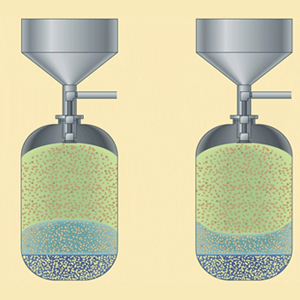
Key Features of Catalyst Feed Systems
- Flexible elastomer sleeve ensures reliable shut-off
- Isolates process media from metal valve components
- Available with manual, pneumatic, and electric actuation
- Low maintenance with replaceable sleeve design
- Prevents clogging during catalyst transfer
Applications of Catalyst Feed Systems
- Catalyst Slurry Feed Lines
- Fluid Catalytic Cracking Systems
- Petrochemical Processing Units
- Chemical Feed and Injection Systems
- Industrial Catalyst Recovery Systems
Frequently Asked Questions(FAQs)
Pinch valves help you control catalyst flow through a wide range of abrasive and sensitive substances because of their ability to manage a smooth and unobstructed passage of flow. A pinch valve ensures that the contents being transmitted into the body of the valve does not contaminate and reduce the wearing down of your valve’s body.
Pinch valves are largely utilized in the following sectors; the chemical sector, petroleum industries, refiners, pharmaceutical sectors and other such similar businesses where reliable catalyst feeding is indispensable.
Yes, pinch valves can be utilized for any kind of abrasive catalysts as they are designed with elastomer sleeve which will reduce friction wear and it can be easily replaced for maximum efficiency.
Selecting the best pinch valve depends on a number of factors such as the type of your catalyst, operating temperature and pressure, how fast you need your materials to travel and particle size, among others.